Candy Corn: A Sweet Treat for Your Design Toolkit
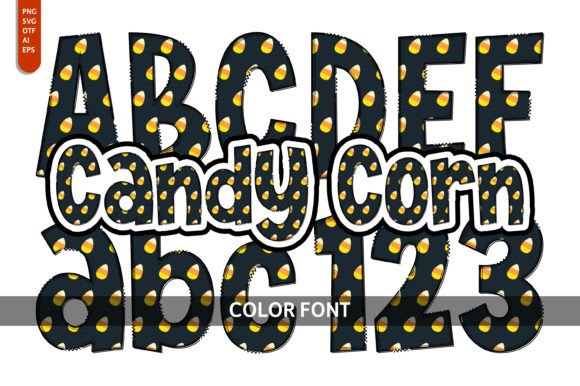
As a designer, I’m always on the lookout for a typeface that brings genuine personality to a project. We’ve all seen the standard sans serif and serif fonts that form the bedrock of professional work, but sometimes a project calls for something with a bit more flavor. Enter Candy Corn, a delightful color font that does exactly what its name suggests. It’s a creative font built to evoke the playful, nostalgic spirit of the Halloween season. Each letterform is a miniature tribute to the iconic candy, featuring a vibrant stack of yellow, orange, and white that feels both fun and visually engaging. It’s not just a novelty; it’s a tool for injecting a specific kind of sugary delight into your work.
More Than Just a Halloween Typeface
At its core, Candy Corn is a display font. This means it’s designed for impact, not for long-form text. Its strength lies in its ability to grab attention in headlines, logos, and short, punchy statements. The visual character is unmistakable—bold, rounded, and bursting with color. This gives it a warm, approachable, and slightly retro personality. It avoids the sharp edges of a gothic typeface or the formal elegance of a script font, opting instead for a style that feels friendly and celebratory. Think of it as the typographic equivalent of a party invitation. It immediately sets a tone of fun and lightheartedness, making it an excellent choice for projects that need to connect with an audience on an emotional, rather than purely informational, level.
While it’s a natural fit for anything related to autumn, harvest festivals, or Halloween, its application extends far beyond October. Any brand or project aiming for a youthful, energetic, or whimsical vibe can benefit from its charm. I’ve seen it used effectively in children’s party supplies, bakery branding, and even playful social media graphics for family-friendly events. The key is understanding its personality. It communicates joy, sweetness, and a sense of celebration. If your brand identity is built on being serious, minimalist, or corporate, Candy Corn is likely the wrong fit. But if you want to be seen as fun, creative, and approachable, it’s a powerful asset in your design toolkit.
Putting Candy Corn to Work in Your Projects
The real value of any premium font is its versatility. Candy Corn excels in specific areas where its unique style can shine without overwhelming a design. In packaging design, it’s a fantastic choice for a product name on a bag of autumn-themed cookies or a special edition coffee blend. It instantly communicates the product’s flavor profile and seasonal appeal. For logo design, it can work wonders for a small business like a bake shop, a community pumpkin patch, or a children's entertainment service. The font becomes a core part of the brand’s visual identity, making it instantly recognizable and memorable.
In the digital space, its uses are just as practical. Imagine a series of social media graphics for a fall sale. Using Candy Corn for the headline “50% Off” or “Limited Time Offer” will make the post stand out in a crowded feed. For web design, it’s best used sparingly but effectively—perhaps for a homepage banner during a seasonal promotion or as a stylized heading on a blog post about Halloween crafts. I once worked with a client launching a new pumpkin-spice product line, and we used a font similar to Candy Corn for all the campaign headlines. The consistency across their email marketing, website, and print ads created a cohesive and exciting brand experience that customers loved.
A Practical Guide to Using This Creative Font
So, how do you actually incorporate a typeface like this into your workflow without it looking amateurish? It comes down to thoughtful application. First, consider your font pairing. Because Candy Corn is so visually distinct, it needs a calm, neutral partner to provide balance. Pair it with a clean sans serif font like Montserrat, Lato, or Open Sans for your body text. This creates a clear visual hierarchy, allowing the Candy Corn headline to be the star of the show while the supporting text remains highly readable. Avoid pairing it with other decorative fonts like a script or handwritten font, as this will create visual chaos.
Before you commit, always test the font in context. Place it in your design mockups to see how it interacts with your color palette, imagery, and other design assets. Check its readability at different sizes. While it’s clear at larger headline sizes, it may become difficult to read if used for a long subheading. Also, review the font’s license. Most creative fonts like this are available for commercial use, but the terms can vary. Ensure the license covers your intended use, whether it’s for a single client project, unlimited commercial work, or a personal crafting venture. This is a crucial step in maintaining professionalism and avoiding legal issues down the line.
Ultimately, a typeface like Candy Corn is a specialized tool. It won’t replace your trusted serif or sans serif fonts for everyday tasks. But for the right project, it’s an invaluable design asset. It allows you to move beyond standard typography and create something that truly resonates with a specific mood and audience. By using it strategically, you can enhance your brand perception, drive audience engagement, and add a memorable touch of sweetness to any creative project you undertake. It’s a reminder that sometimes, the best design choices are the ones that are a little bit fun.