Dalmate: A Modern Twist on the Classic Oval Pattern
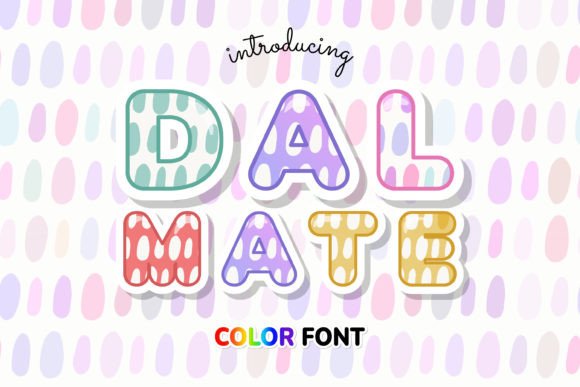
In the crowded world of digital typography, finding a typeface that bridges the gap between retro nostalgia and modern minimalism is a significant win. Enter Dalmate, a premium font that immediately catches the eye. While the market is saturated with standard sans serifs and predictable serifs, Dalmate offers a distinct visual language. It is designed in the style of the Oval Pattern, a characteristic that gives it a unique, structured personality. If you are a designer, entrepreneur, or creative professional looking for a typeface that feels both familiar and fresh, understanding the nuances of Dalmate could be the missing piece in your design toolkit.
At its core, Dalmate is a display font. This classification is important to understand right away. Unlike a body text font such as Times New Roman or Arial, which is designed for long-form reading and legibility at small sizes, a display font is engineered to command attention. It is the visual anchor of a design. Dalmate excels in this role because of its geometric foundation. The "Oval Pattern" influence suggests a typeface that relies on rounded edges and open forms. It likely avoids the harshness of sharp corners, creating a friendlier, more approachable aesthetic. This makes it an incredibly cool choice for projects that need to feel welcoming yet professional.
The Visual Personality of Dalmate
To truly appreciate a creative font like Dalmate, you have to look beyond the letters themselves and consider the personality they convey. The oval style implies a sense of balance and harmony. In modern typography, we often see a move toward "soft" geometry—shapes that feel organic rather than rigidly industrial. Dalmate fits perfectly into this trend. It likely features a consistent stroke width or a subtle variation that mimics the rhythm of hand-lettering but with the precision of digital design.
This visual style has a profound impact on brand perception. When a brand uses a font with oval characteristics, it signals openness and innovation. It tells the audience that the brand is modern, creative, and perhaps a little playful. However, because it is structured, it does not sacrifice professionalism. This is the sweet spot for many small business owners and entrepreneurs. You want to appear approachable to your customers, but you also need to establish trust. Dalmate strikes that balance by being visually interesting without being chaotic.
Strategic Applications: Where Dalmate Shines
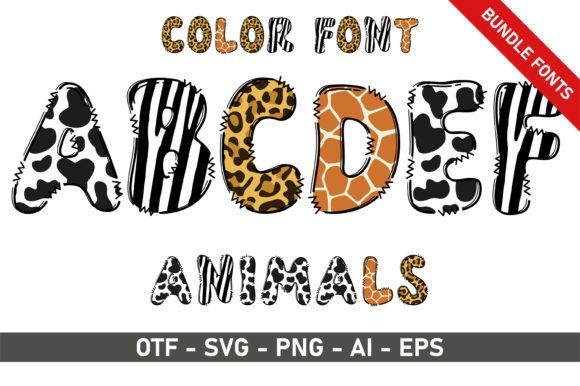
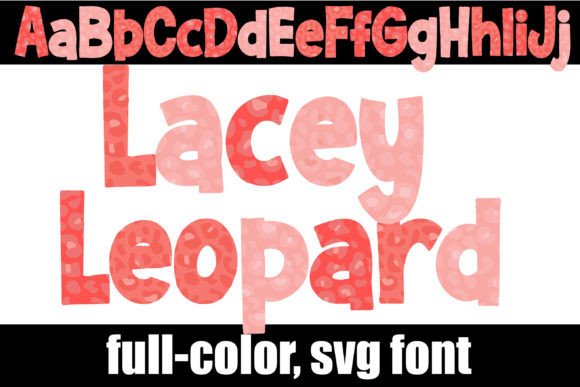
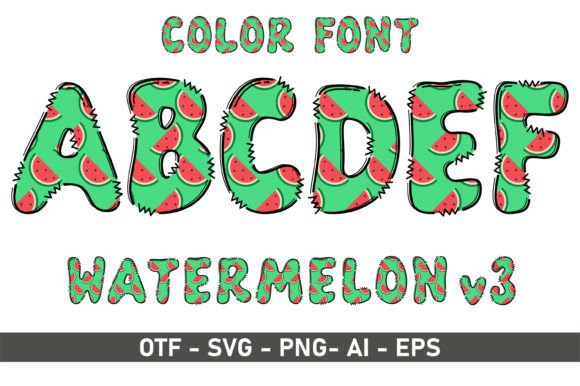
The versatility of a color font like Dalmate is one of its strongest assets. Because it is designed as a color font, it carries inherent visual weight and can sometimes function as a design element on its own, even without additional graphics. Here is how different creative professionals can leverage this typeface:
- Logo Design and Brand Identity: For startups and rebrands, Dalmate offers a distinct voice. It is perfect for creating a wordmark that stands out in a crowded market. Its unique shape ensures high recognition, which is vital for brand recall. Whether you are designing for a tech startup, a boutique coffee shop, or a creative agency, this font provides a solid foundation for a brand identity that feels current.
- Packaging Design: In the world of retail, packaging must do the heavy lifting. A font like Dalmate is ideal for the front-facing headers on boxes, bags, and labels. Its readability at medium to large sizes makes it perfect for grabbing attention on a shelf. If you are designing for a product that wants to convey a "modern" or "artisan" vibe, this typeface fits the bill.
- Web Design and Digital Presence: In web design, headers and hero sections are prime real estate. Using Dalmate for H1 and H2 tags can immediately elevate the aesthetic of a website. It breaks the monotony of standard web-safe fonts and helps guide the user's eye down the page, improving visual hierarchy. Furthermore, as a color font, it can add a pop of personality to social media graphics and digital ads, increasing audience engagement.
- Editorial and Publishing: Bloggers and publishers often struggle to make their content stand out. Dalmate can be used for pull quotes, magazine covers, or chapter headings in digital books. It adds a layer of sophistication to editorial design that standard fonts often lack.
Mastering the Pairing: Practical Guidance
One of the most common questions regarding premium fonts is how to pair them. Because Dalmate has such a strong personality, it requires a careful hand. You generally do not want to pair a distinct display font with another distinct font, such as a heavy script font or a highly stylized handwritten font. This creates visual noise and confuses the reader.
Instead, the best practice for font pairing is to use contrast. Since Dalmate features an oval, geometric structure, it pairs beautifully with a clean, neutral sans serif font. Think of fonts like Helvetica, Inter, or Open Sans for your body text. The neutrality of the sans serif will allow Dalmate to take center stage for your headlines without competing for attention. Alternatively, you could pair it with a classic, light-weight serif font if you are going for a more editorial, high-fashion look. The key is to let Dalmate do the talking.
Evaluating Fit and Technical Considerations
Before integrating any new design assets into your workflow, a professional evaluation is necessary. Here is a checklist for determining if Dalmate is the right fit for your project:
- Readability vs. Legibility: Test the font at the size you intend to use it. As a display font, Dalmate is likely optimized for larger sizes. If you try to use it for small, 10-point body copy, you may lose legibility. Always prioritize readability for the user.
- Commercial Licensing: If you are creating work for a client or selling products (like t-shirts or mugs), you must ensure you have the correct commercial font license. Check the terms of the license to see if it covers the specific medium you are using, whether it is digital or print.
- Style Variations: Check if the font family includes different weights (Light, Regular, Bold, Black). Having access to a range of weights allows you to create a more robust typography system within your project, giving you flexibility for sub-headings and accents.
- Contextual Testing: Mock up your designs before finalizing. Place the font on a website header, a business card, and a social media post. Does it maintain its charm across different contexts? A great font should be adaptable.
Ultimately, Dalmate represents the kind of thoughtful design that modern creatives need. It is not just a set of letters; it is a tool for communication. By leveraging its unique oval patterns and bold presence, you can transform standard projects into memorable experiences. Whether you are crafting a logo design, building a website, or creating DIY crafts, this font offers a lovely, professional touch that elevates your work from ordinary to exceptional.