Giraffe Font: A Playful Typeface for Creative Projects
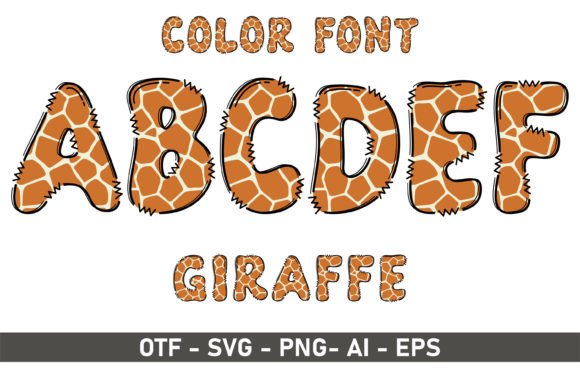
When you first encounter the Giraffe font, its name feels surprisingly apt. It’s not just another display font; it’s a typeface with a distinct personality that stretches beyond the ordinary, much like its namesake. The visual character of Giraffe is defined by its elongated, whimsical letterforms. It often features a playful, slightly uneven baseline and charming, hand-drawn details that give it an organic, artistic feel. This isn’t a rigid, corporate typeface. Instead, Giraffe conveys warmth, creativity, and a sense of approachable fun. Its overall appeal lies in its ability to inject a dose of personality and joy into any design, making it a standout creative font for projects that need to connect on an emotional level.
Where This Playful Font Truly Shines
The strength of a font like Giraffe lies in its specific applications. It’s a premium font designed for moments where you want to break the mold and capture attention with charm rather than authority. Think about the projects where a playful or artistic feel is the primary goal. Children’s books are a classic example, where the whimsical nature of Giraffe can make reading an engaging adventure for young eyes. But its use extends far beyond the bookshelf.
Consider using Giraffe for:
- Invitations and Greeting Cards: For birthday parties, baby showers, or casual events, this font sets a joyful tone immediately.
- Poster and Flyer Design: When promoting a community fair, a kids’ workshop, or a local art show, Giraffe adds a friendly, approachable vibe.
- Packaging Design: For artisanal foods, handmade cosmetics, or boutique children’s products, this typeface can enhance a brand’s story of care and creativity.
- Social Media Graphics: In a crowded feed, a post using Giraffe for a headline or call-to-action can stop the scroll with its unique personality.
- Small Business Branding: A bakery, a pottery studio, or a freelance illustrator might find that Giraffe perfectly encapsulates their brand identity as being creative, personal, and full of character.
However, its playful style means it’s generally not the best fit for formal corporate reports, legal documents, or contexts where a tone of serious authority is required. Knowing when not to use a creative font is just as important as knowing when to use it.
Practical Guidance for Using Giraffe in Your Work
Choosing a font is a practical decision that affects your project’s success. Here’s how to approach integrating Giraffe into your workflow effectively.
Evaluating Project Fit and Readability
Before selecting Giraffe, ask: Does my project’s goal align with a playful, artistic aesthetic? If the answer is yes, the next consideration is readability. While Giraffe is designed to be legible at display sizes, its elongated forms can be challenging at very small text sizes. It works best for headlines, logos, short phrases, and callouts rather than for body copy. Always test it at the intended size to ensure your message remains clear. Its modern typography approach balances flair with function, but context is key.
Mastering Font Pairing
A display font like Giraffe rarely works alone. The secret to professional design is creating a visual hierarchy, and font pairing is your primary tool. Giraffe’s personality is strong, so it benefits from a calm, neutral partner. Consider pairing it with:
- A clean sans serif font for body text, which provides excellent readability and lets Giraffe’s headlines pop.
- A simple serif font for a slightly more traditional but still complementary look, often used in editorial design for subheadings.
- Use Giraffe sparingly for maximum impact—perhaps just for the main title or a key quote.
This contrast in style creates a balanced, professional layout where the playful font adds interest without overwhelming the viewer.
Understanding the Files and Compatibility
When you acquire a premium font like Giraffe, you’re investing in design assets. It’s crucial to understand what you’re getting. The font typically comes in OTF and/or TTF formats. A critical point for crafters and makers is compatibility. The black version of Giraffe is compatible with Cricut Design Space and other cutting machines, making it ideal for vinyl decals, paper crafts, and personalized items.
However, the color version of the font—which might include multi-colored or textured glyphs—has different requirements. This version is only compatible with certain advanced design programs like Adobe Photoshop, Illustrator, Silhouette Studio, and Inkscape. The OTF/TTF files for the color version are not compatible with Cricut. Always check the product details before purchasing to ensure the font files will work with your software and intended use, whether for web design, print, or crafting.
Licensing for Commercial Use
Finally, consider the commercial font license. If you plan to use Giraffe in a client project, on products for sale, or in marketing materials for your business, you need a commercial license. This isn’t just a legal formality; it’s a mark of professionalism that supports the designers who create these valuable tools. Review the license agreement to understand what is permitted—such as use in digital ads, printed merchandise, or software embedding.
In the end, Giraffe is more than just a typeface. It’s a design asset with a specific job: to bring a sense of playfulness and artistic flair to your work. By applying it thoughtfully, pairing it wisely, and respecting its technical specifications, you can leverage its unique character to create memorable designs that truly engage your audience. Whether you’re a blogger crafting a header, a small business owner building a brand, or a designer working on a children’s book, Giraffe offers a delightful way to make your projects stand out.