Inflated Foil: Crafting a Visual Identity with Metallic Shine
There is a specific type of design project where subtlety simply doesn't work. You might be launching a limited edition product, designing a VIP event invitation, or creating a header for a luxury lifestyle blog. In these moments, standard typography falls flat. You need a typeface that carries physical weight and inherent value. This is precisely where Inflated Foil enters the conversation. It is not merely a font; it is a design asset that simulates the look of premium, airbrushed metallic materials. For designers, entrepreneurs, and content creators, understanding how to deploy this style of typography can be the difference between a project that looks "nice" and one that feels truly premium.
The Anatomy of a Luxury Typeface
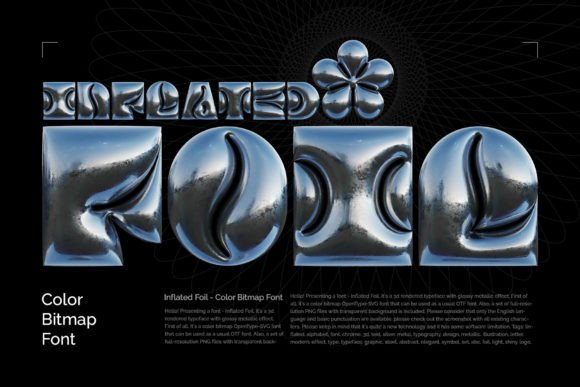
At its core, Inflated Foil is a display font defined by its glossy, three-dimensional aesthetic. If you look closely at the letterforms, you will notice the illusion of depth. The characters appear to be "inflated," with soft, rounded edges that catch light, similar to a balloon or a chrome sculpture. This isn't the sharp, industrial look of a sans serif font or the traditional structure of a serif font. Instead, it occupies a unique space in modern typography where the text itself becomes the illustration.
The visual personality of this typeface is undeniably opulent. It mimics the surface of foil stamping—the kind you see on high-end chocolate boxes or luxury cosmetic packaging. The "glossy" effect implies a smooth, reflective surface that changes based on the implied light source. Because of this high-contrast surface treatment, Inflated Foil demands attention. It creates an immediate focal point, making it an excellent tool for visual hierarchy. When a viewer sees this font, their brain instantly registers "high value" and "quality," which is a psychological lever that marketers and brand identity strategists pull often.
Strategic Applications: Where Shine Meets Substance
While Inflated Foil is visually striking, using it requires a bit of strategy. Because it is a premium font with heavy visual weight, it works best in short bursts. Think of it as the statement jewelry of your design layout. You wouldn't write a novel in it, but you would certainly use it for the cover title.
In the realm of packaging design, this font is a powerhouse. Imagine a matte black box for a men’s grooming kit with the product name rendered in Inflated Foil. The contrast between the matte background and the glossy text creates a tactile experience even through a photograph. It suggests that the product inside is exclusive and worth the price tag.
For web design and social media graphics, Inflated Foil captures the "thumb-stopping" power needed in a crowded feed. It is particularly effective for logo design concepts in the fashion, beauty, or entertainment industries. A DJ’s branding, a boutique clothing line, or a high-end photography studio could utilize this font to signal their market position immediately. However, it is crucial to remember that this is a display font. It is meant for headlines, hero images, and logos—not for body copy or long-form editorial design where readability is paramount.
Pairing and Hierarchy: Balancing the Metallic Effect
One of the most common questions regarding decorative fonts like Inflated Foil is, "What do I pair it with?" Because the font has such a distinct, metallic personality, it requires a grounding partner. If you pair it with another creative font, such as a complex script font or a stylized handwritten font, the design will likely look chaotic and illegible.
The best approach is contrast. A clean, geometric sans serif font often works beautifully alongside Inflated Foil. The simplicity of the sans serif allows the metallic details of the display font to shine without competition. For example, you might use Inflated Foil for the main headline of a poster and a font like Montserrat or Lato for the sub-headers and body text. This creates a clear visual hierarchy that guides the reader's eye naturally from the flashy title to the informative content below.
Color plays a massive role in how this font is perceived. While the font file itself contains the "foil" texture, the background color you place it against will dictate the mood. Dark, rich backgrounds—navy blue, deep emerald, or black—tend to make the metallic effect pop, enhancing the feeling of luxury. Bright, neon backgrounds can turn the font into something more playful and retro, suitable for youth-oriented brand identity projects.
Practical Considerations for Commercial Use
Before integrating Inflated Foil into your next project, a few practical checks are necessary. First, always review the licensing. If you are using this for a client’s logo or on products for sale, you need to ensure you have the correct commercial font license. Free versions of display fonts often come with restrictions that can cause legal headaches down the road.
Next, consider the medium. While this font looks incredible in digital web design and high-resolution social media graphics, printing can be tricky. Metallic effects rely on gradients and shading. If you are sending this to a standard office printer or a basic print shop, ensure the resolution is high enough to maintain the glossy illusion. On low-resolution prints, the "foil" effect can turn into muddy gray pixels. For professional packaging design or editorial design covers, this usually isn't an issue, but it is worth a test print.
Finally, test your legibility. Display fonts with heavy textures can sometimes obscure letters that look similar, like 'C' and 'G' or 'I' and 'l'. Squint at your headline or show it to a colleague for three seconds. If they can't read it instantly, you may need to increase the tracking (letter spacing) to let the characters breathe. Inflated Foil is a tool for impact, but impact is useless if the message is lost. When used thoughtfully, this typeface transforms standard text into a tactile, high-end experience that resonates with audiences looking for quality and style.