Little Bee: A Whimsical Font for Playful Design
Sometimes a design needs more than just words; it needs a feeling. You're working on a project and the standard sans serif feels too sterile, the classic serif too formal. You need something with personality, something that sparks a little bit of joy. This is where a unique display font like Little Bee enters the picture. It's not just a typeface; it's a character, a tiny piece of magic designed to bring a smile and inject pure whimsy into your work.
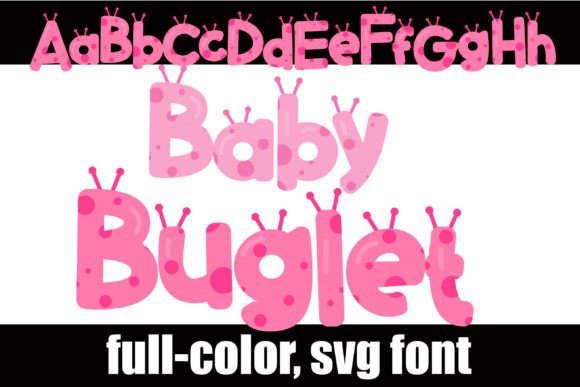
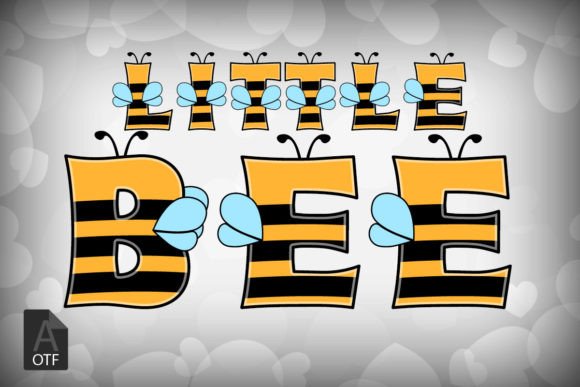
At its core, Little Bee is a creative font built on a foundation of friendly, rounded letterforms. The real magic, however, lies in the details. Each letter is crowned with delicate, stylized bee wings, rendered in soft pastel hues. These aren't just static additions; they are integral to the font's design, giving it an airy, light-as-a-feather quality. The overall personality is undeniably cute and approachable, making it a fantastic choice for projects that aim to connect on a warm, human level. It’s a perfect example of how modern typography can be used to evoke specific emotions and create a memorable visual experience.
Where Does Little Bee Truly Shine?
Choosing the right creative font is about matching its personality to your project's goals. Little Bee is a specialist, not a generalist. It's designed to be the star of the show in short bursts of text where charm is the primary objective. Think of it as the perfect finishing touch for a project that needs to feel personal and delightful.
For Branding and Marketing
In the world of brand identity, Little Bee is a powerful tool for niche businesses. Imagine it on the logo for a local bakery, a children's boutique, or a craft supply shop. It immediately communicates a friendly, approachable, and artisanal vibe. For entrepreneurs and small business owners, using this typeface on packaging design can transform a simple product into a charming gift. It works beautifully on social media graphics for announcements or quotes, grabbing attention with its unique style without saying a word. When used thoughtfully, it helps build a brand that feels authentic and full of character.
In Publishing and Editorial Design
This is where Little Bee feels most at home. For publishers and authors, it’s an exceptional choice for the cover of a children's book, instantly setting a playful and imaginative tone. It can also be used for chapter titles or drop caps to add a touch of whimsy to the interior pages. Bloggers and content creators can leverage it for post titles or pull quotes to break up text and add visual interest. While it’s a premium font designed for impact, its real value in editorial design is its ability to create a focal point that draws the reader in.
For Personal Projects and Crafts
Beyond commercial use, Little Bee is a joy for hobbyists and crafters. Think about the possibilities for custom greeting cards, party invitations, or scrapbook layouts. It’s the kind of typeface that makes a handmade gift feel even more special. Its inherent cuteness makes it ideal for any project where you want to express warmth and affection, from a personalized recipe book to custom labels for homemade jams.
Designing with Whimsy: A Practical Guide
Using a highly stylized font like Little Bee effectively requires a bit of strategy. It’s not a workhorse font for body text, but rather a specialist tool in your design assets toolkit. Here’s how to get the most out of it.
Pairing and Hierarchy
The key to using a decorative display font is balance. Because Little Bee is so detailed and expressive, it pairs best with a simple, clean counterpart. A classic sans serif font like Lato, Montserrat, or even a simple serif font like Lora can provide a perfect foundation for body text, ensuring readability. Use Little Bee for headlines, titles, or single words that need to pop. This creates a clear visual hierarchy, guiding the viewer's eye and making your design both beautiful and functional. Avoid pairing it with other expressive fonts like a script font or another handwritten font, as they will compete for attention and create visual clutter.
Readability and Application
While perfect for headlines, you should never set a full paragraph in Little Bee. The intricate details of the wings are designed for impact at larger sizes and would become muddy and illegible in a block of small text. Always prioritize readability. Test your designs at the intended viewing size, whether it's on a mobile screen for web design or a printed card. A great font choice supports your message; it shouldn't obscure it.
Licensing and Final Checks
Before you finalize your project, always double-check the font's licensing. If you're using it for a client's logo, merchandise, or any commercial product, ensure you have the appropriate commercial font