Mali: The Creative Color Font with Cultural Flair
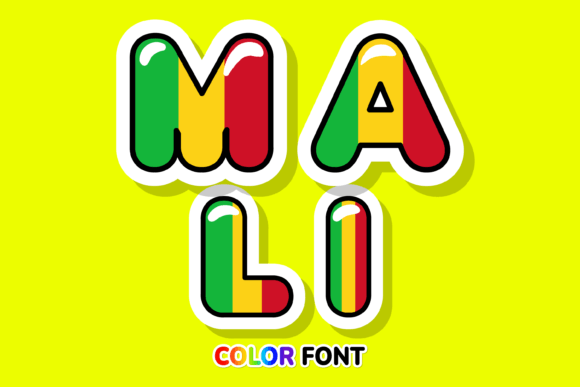
When a project calls for a typeface that does more than just sit on the page—when it needs to communicate energy, heritage, and a distinctly modern aesthetic—Mali steps into the spotlight. This isn't your typical, neutral typeface. Mali is a premium font designed with the bold, vibrant spirit of the Mali Flag, transforming text into a visual statement. It's a creative font built for makers, brands, and creators who understand that the right typography can elevate a simple message into an unforgettable one.
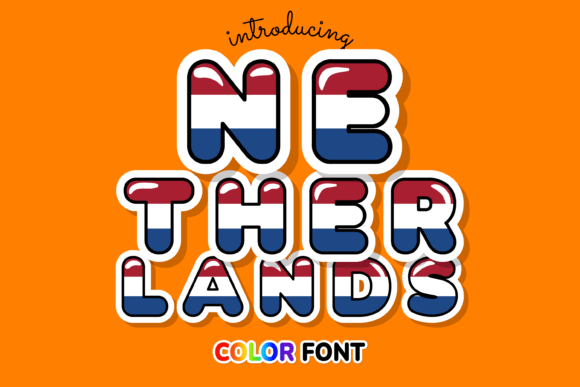
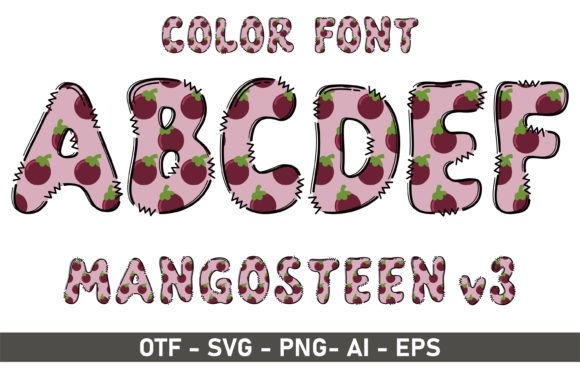
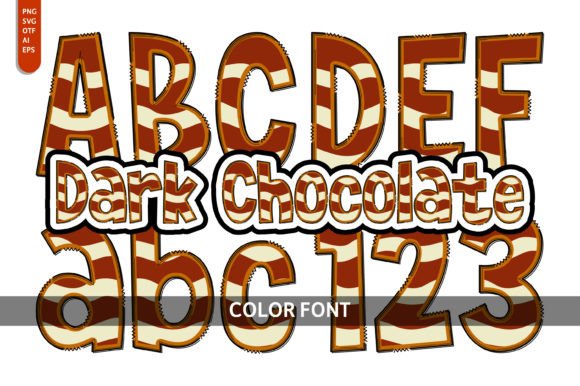
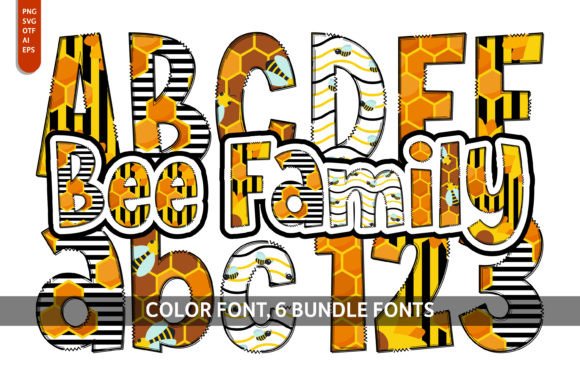
At its core, Mali is a display font with character. Its forms are clean and contemporary, yet they carry an inherent warmth and personality that sterile, corporate fonts often lack. The defining feature, of course, is its nature as a color font. This technology allows the letterforms themselves to incorporate rich, layered hues—think deep greens, golds, and reds—directly into the font file. The result is text that pops with dimension and life, eliminating the need for complex layering or post-processing. It’s a piece of modern typography that feels both culturally rooted and forward-thinking.
Where Mali Truly Shines: Practical Applications
Understanding a font's personality is one thing; knowing where to deploy it is where the real strategy comes in. Mali’s strength lies in projects where grabbing attention and conveying a specific vibe are paramount. It’s a natural fit for logo design, particularly for brands in the creative, cultural, artisanal, or lifestyle spaces. A logo set in Mali immediately suggests a brand that is confident, approachable, and rich with story.
Beyond the logo, consider its power in packaging design. On a shelf crowded with minimalist sans-serifs, a product name rendered in Mali’s vibrant color font format can be a game-changer. It works beautifully for specialty foods, cosmetics, craft beverages, or any product where the packaging needs to reflect the quality and uniqueness inside. For editorial design, think of striking magazine headlines, chapter titles in a cookbook, or featured pull quotes in a blog post that demand a reader’s pause.
Digital creators will find Mali incredibly useful for social media graphics. In a fast-scrolling feed, a post title or key message set in this typeface can stop the thumb. It’s perfect for Instagram quotes, YouTube thumbnails, Pinterest pins, and promotional banners where visual impact is non-negotiable. For web design, while not ideal for body text, it can be a powerful tool for hero section headlines, call-to-action buttons, or special promotional sections, adding a burst of personality to a digital experience.
Making the Most of Mali: A Designer's Perspective
Adopting a distinctive font like Mali requires a thoughtful approach to ensure it enhances, rather than overwhelms, your project. The first step is always evaluation: does this font's personality align with your project's goals and your audience's expectations? Mali speaks to creativity, warmth, and bold expression. It might be perfect for a musician’s album cover or a boutique’s website header, but less suited for a formal corporate report.
Next, consider font pairing. A strong display font like Mali often benefits from a clean, neutral companion for body text. Pairing it with a simple sans serif font or a classic serif font creates a balanced visual hierarchy. The display font does the heavy lifting for impact, while the body font ensures comfortable, extended reading. For example, a bold Mali headline followed by a few paragraphs in a font like Lato or Merriweather creates a dynamic yet readable layout.
Since Mali is an OpenType-SVG color font, compatibility is a key practical consideration. It works seamlessly in professional design software like Adobe Photoshop and Illustrator, as well as in programs like Silhouette and Inkscape. This makes it a versatile design asset for digital artists, crafters using cutting machines, and graphic designers. However, it’s important to note that the standard OTF or TTF files are not compatible with Cricut machines. Always check the specific requirements of your workflow and software.
When you download Mali, review all the included files and styles. Some color fonts come with alternate character sets or non-color versions that can expand their utility. Test the font at the actual size it will be used. A headline that looks stunning at 100 pixels might lose some of its delicate color detail when scaled down for a business card. Readability is paramount; ensure the chosen colors have sufficient contrast against your background.
Finally, for any commercial project, verify the licensing. A quality commercial font will come with clear terms that allow you to use it in client work, products for sale, and marketing materials. This professionalism protects both you and the font creator, forming a solid foundation for your brand identity.
Mali is more than just a set of letters. It’s a tool for expression, a nod to cultural aesthetics, and a way to inject genuine vibrancy into your work. Used thoughtfully, it can become the cornerstone of a memorable visual identity or the secret weapon that makes your next creative project stand out from the crowd.