Botanical: A Playful Color Font for Creative Projects
In the search for a creative font that truly pops off the page, Botanical offers a fresh perspective. As a premium font with built-in color capabilities, it moves beyond standard single-tone typography. This typeface is designed to deliver immediate visual impact, combining the charm of a handwritten font with the vibrancy of modern digital design. It is an asset for anyone looking to inject energy and personality into their work without relying on complex editing software.
Visual Character and Design Appeal
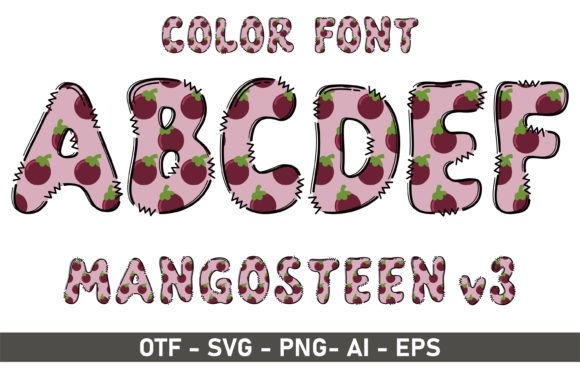
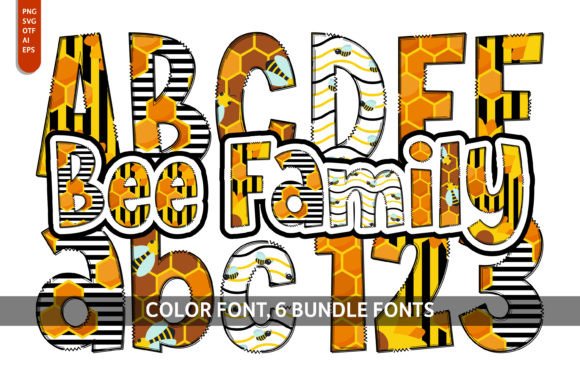
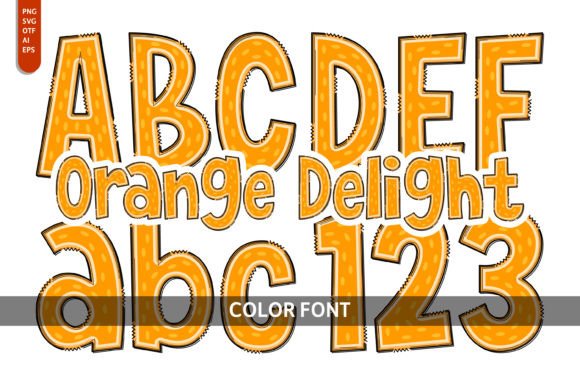
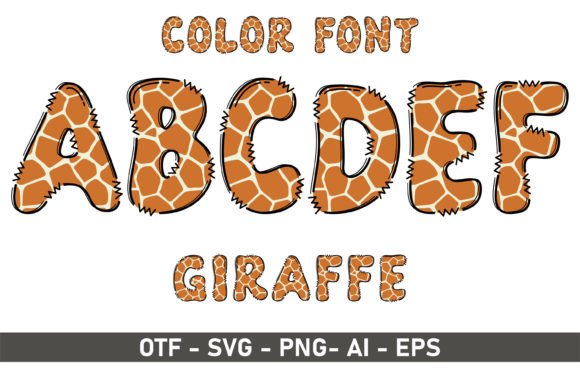
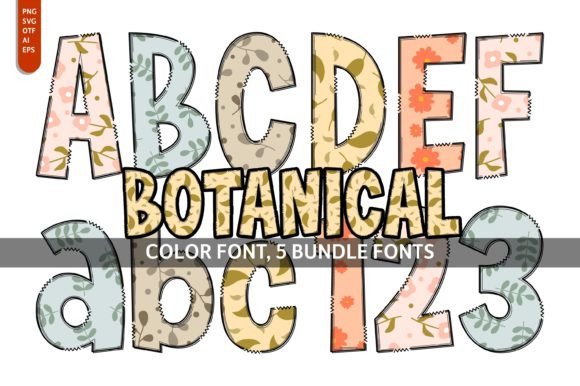
At its core, Botanical is a display font meant for headlines, logos, and decorative text. It does not behave like a traditional serif font or a clean sans serif font. Instead, it embraces a flowing, organic structure that feels artistic yet legible. The "color" aspect refers to the OpenType-SVG technology used to create the font. This allows for high-resolution textures and gradients to be embedded directly into the typeface file. When you type, the letters appear with depth, shading, and color variations that mimic hand-painted strokes or digital illustrations.
The visual personality of Botanical is undeniably playful. It carries a distinct artistic flair that fits well with themes of nature, creativity, and whimsy. The strokes often have a script font quality, connecting in ways that feel organic and free-flowing. However, unlike a messy handwritten font, Botanical maintains a level of polish that ensures it looks professional. It strikes a balance between the spontaneous energy of a sketch and the refined finish of high-quality modern typography.
Practical Applications for Designers and Creators
Knowing where to use a display font like Botanical is key to successful design. Because of its detailed visual style, it is not suited for long blocks of body copy. Reading a paragraph in this style would be fatiguing for the eye. Instead, its strength lies in high-impact moments where text needs to grab attention instantly.
For packaging design, this typeface is a strong contender. Imagine a product label for artisanal goods, cosmetics, or gourmet snacks. Using Botanical for the product name can immediately convey a handmade, premium quality. It suggests that the contents inside are special and crafted with care. Similarly, in editorial design, such as magazine covers or feature headlines, the font adds a layer of artistic sophistication that draws the reader in.
In the realm of brand identity, Botanical can be a secret weapon for specific niches. Businesses targeting a younger demographic, or those in the creative and lifestyle sectors, often benefit from a creative font that feels approachable. It works beautifully for logo design for bakeries, florists, event planners, or boutique studios. The font’s inherent charm helps build a brand voice that is friendly and artistic.
Digital creators will find Botanical equally useful. For social media graphics, where the goal is to stop the scroll, a vibrant typeface is invaluable. It works well for Instagram stories, Pinterest pins, and YouTube thumbnails. In web design, it can be used sparingly for hero sections or call-to-action buttons to inject personality into an otherwise standard layout.
Strategic Impact on Readability and Brand Perception
The fonts we choose send subconscious signals to our audience. A clean sans serif font might suggest efficiency and modernity, while a traditional serif font conveys authority. Botanical communicates creativity, warmth, and approachability. When used correctly, it enhances brand perception by making a design feel more human and less corporate.
However, this influence comes with a responsibility regarding readability. Because Botanical has a complex visual style, it requires careful placement. It excels in large sizes where the details can be appreciated. If used too small, the texture might become muddy, or the letters might blend together, hurting the visual hierarchy. A designer must ensure that the artistic flair of the font does not compromise the clarity of the message.
Consistency is another factor. When building a brand identity, the display font sets the tone for all other design assets. If you use Botanical for your logo and headers, your supporting text needs to complement it. This is where font pairing becomes critical. You generally want to pair a decorative font like this with something neutral. A simple geometric sans serif font often works best, allowing the Botanical headlines to shine without competing for attention.
Implementation and Technical Considerations
Adopting a color font requires a bit more technical awareness than standard typography. First, you must ensure your software supports OpenType-SVG. Most modern versions of Adobe Photoshop, Illustrator, and InDesign support these design assets. However, some older software or basic text editors may not render the colors, falling back to a flat black version instead.
When evaluating this premium font for your project, look at the licensing terms. Commercial fonts usually come with specific agreements regarding usage. Whether you are using it for a client’s logo design, packaging design, or merchandise, ensure the license covers your intended application. Most foundries offer different tiers for desktop use, web use, or app embedding.
Practical testing is also vital. Before committing to Botanical for a large campaign, test it across different mediums. How does it look on a mobile screen versus a printed poster? Sometimes, fine details in creative fonts can be lost in low-resolution printing. Always view a proof to ensure the colors remain vibrant and the text remains legible in the final format.
Ultimately, Botanical is more than just a typeface; it is a design element in its own right. It brings a level of polish and playfulness that is difficult to achieve with standard typography. For designers, marketers, and creators looking to add a splash of color and personality to their projects, it offers a practical and visually stunning solution. By using it strategically for headlines and branding, you can create memorable visuals that resonate with your audience.