Easter Flowers: A Floral Font for Springtime Projects
When a project calls for a specific mood, the typeface you choose does more than just present words; it sets the entire emotional tone. For designs that need to feel fresh, celebratory, and undeniably charming, a standard font often falls short. This is where a specialized display font like Easter Flowers comes into play. It’s not just a collection of letters but a complete design element, where each character is a miniature work of art, adorned with intricate floral motifs and vibrant, spring-like colors.
More Than a Typeface: The Visual Personality of Easter Flowers
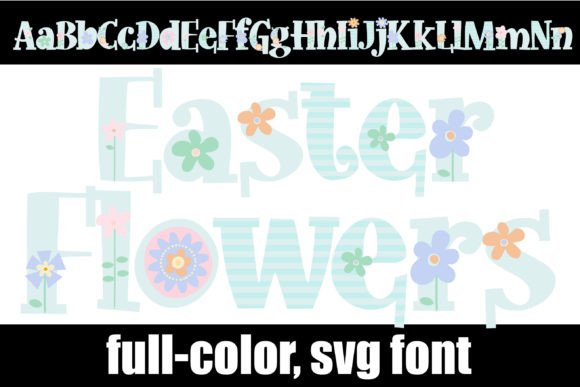
At its core, Easter Flowers is a creative font that functions as a decorative asset. Imagine a serif font where the terminals and strokes are replaced with delicate petals, leaves, and buds. The visual style is inherently organic and ornate, blending the structure of letterforms with the unpredictability of nature. Its personality is joyful, elegant, and celebratory—perfect for any context where you want to evoke the feeling of a blooming garden or a festive spring gathering. The inclusion of vivid colors within the font itself is a key feature, saving designers the step of manually coloring each letter and ensuring a cohesive, vibrant palette across the entire word or phrase.
The practical appeal lies in its ability to deliver high-impact visuals with minimal effort. As a premium font, it’s crafted with attention to detail, offering more than just basic characters. The fact that it is PUA encoded is a significant advantage. This means every stylistic swash, alternate letter, and ligature is fully accessible through simple character maps or glyph panels in design software. For a brand strategist or content creator, this unlocks a wealth of customization without needing advanced typographic knowledge.
Where This Floral Font Truly Blooms: Practical Applications
Understanding where Easter Flowers excels is key to using it effectively. It’s not a workhorse font for body text; its strength is as a headline or accent font where its details can be appreciated. Here’s a breakdown of its ideal applications across various fields.
Invitations, Cards, and Event Branding
This is the font’s natural habitat. For wedding invitations, baby shower announcements, or Easter brunch menus, Easter Flowers adds an immediate sense of occasion and personal touch. It pairs beautifully with a clean sans serif font for the body text, creating a clear visual hierarchy. The floral details can be echoed in other design assets like borders or illustrations to build a cohesive brand identity for the event.
Product Packaging and Editorial Design
For small business owners in the artisanal food, cosmetics, or stationery space, this font can elevate packaging design. Imagine it on a label for spring-themed preserves, a box of floral teas, or a scented candle. In editorial design, it can create stunning magazine covers or chapter headings for books related to gardening, lifestyle, or celebration. The key is using it sparingly for maximum impact—perhaps just on the product name or a key headline.
Digital Presence and Social Media Graphics
In the realm of web design and social media graphics, a distinctive font helps with recognition and audience engagement. Easter Flowers could be used for a blog header, a special announcement banner, or the title of a Pinterest pin promoting a spring recipe. Its visual interest is scroll-stopping, which is a valuable trait in crowded digital feeds. For marketers, it can be used in promotional graphics for seasonal sales, lending a festive and approachable feel to the campaign.
Making It Work: Guidance for Designers and Creators
Choosing a font like this is just the first step. Using it wisely ensures it enhances rather than overwhelms your project.
- Evaluate the Fit: Does the project’s tone match the font’s personality? Easter Flowers suits celebratory, feminine, or nature-inspired themes. It may not align with a corporate financial report or a gritty, urban logo design.
- Master Font Pairing: The rule of thumb is contrast. Pair this ornate display font with a simple, highly readable companion. A neutral sans serif font like Helvetica, Open Sans, or Lato provides a clean counterbalance. A simple script font could also work for a more romantic look, but test it carefully to avoid visual clutter.
- Test for Readability: At small sizes, the intricate floral details can become muddy. Always test your designs at the intended output size, whether on a business card or a mobile screen. For long-form text, always revert to a simpler, more legible typeface.
- Leverage the Glyphs: Don’t just type and go. Explore the alternate characters and swashes. These extras are what make a premium font worthwhile, allowing you to customize headlines and create unique typographic compositions that feel handcrafted.
- Check the License: For any commercial project—from a client’s brand identity to products you sell—confirm the font’s license. Easter Flowers, as a commercial font, typically includes a license for such use, but it’s your responsibility to ensure compliance for your specific application.
Ultimately, Easter Flowers is a powerful tool in a designer’s or creator’s arsenal. It’s a typeface that communicates a specific feeling with immediate visual clarity. By understanding its strengths and applying it thoughtfully, you can transform a simple design into something memorable, engaging, and perfectly suited to the season’s spirit.