Foliage: A Creative Font for Playful and Artistic Designs
There's a certain energy some designs carry, an immediate sense of personality that grabs your attention without shouting. Often, this feeling comes from a deliberate typographic choice. When a project needs to feel approachable, imaginative, or joyful, the right typeface is essential. This is where a creative font like Foliage enters the conversation. It’s not just a collection of letters; it's a design asset with a distinct voice, crafted for moments that call for a touch of whimsy and artistry.
The Distinct Visual Personality of the Foliage Typeface
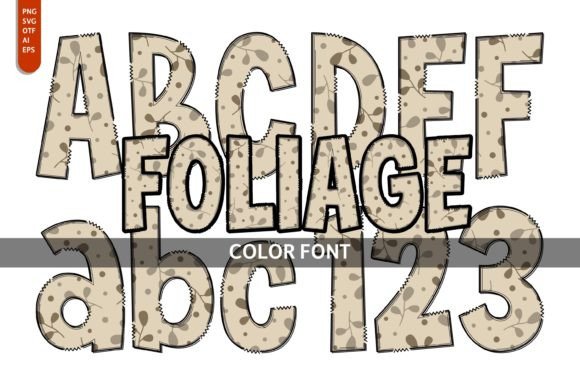
Foliage is best described as a display font with a strong handwritten character. Its letterforms mimic the natural, slightly irregular flow of hand-lettering, giving it an organic and authentic feel. You’ll notice soft, rounded edges and a gentle bounce in the baseline, which prevents it from feeling rigid or overly formal. This isn't a font for long blocks of body text; its strength lies in headlines, logos, and short, impactful phrases where its personality can truly shine. The overall appeal of Foliage is its ability to inject warmth and a human touch into digital and print layouts, making it a valuable piece of modern typography for specific applications.
As a color font, Foliage often includes multiple layers or stylistic sets that allow for easy color application within the letterforms themselves. This feature is a significant time-saver for designers, enabling the creation of vibrant, multi-toned typography without complex editing. The font’s style leans towards a contemporary, artistic script, but it maintains excellent legibility at larger sizes—a crucial balance for any premium font intended for headlines.
Where Foliage Truly Shines: Practical Applications
Understanding a font's personality is one thing; knowing where to apply it is where the real value lies. Foliage excels in projects that aim to connect on an emotional level. Think of the tactile feel of a beautifully designed greeting card or the inviting cover of a children’s storybook. This typeface is built for those contexts.
In branding and marketing, it can become the cornerstone of a brand identity for businesses targeting a family-oriented, artisanal, or lifestyle market. Imagine it used for a boutique bakery’s logo, a handmade soap company’s packaging design, or the social media graphics for a craft workshop. Its playful nature helps these brands feel more accessible and genuine. For entrepreneurs and small business owners, choosing a font like Foliage can be a strategic move to stand out from corporate, sterile aesthetics.
For publishers and content creators, it’s a fantastic tool for editorial design. It can make chapter titles in a book feel more engaging or create stunning pull quotes in a magazine. Bloggers can use it to design eye-catching featured images or headers that set a friendly, creative tone for their content. The font’s versatility extends to digital spaces, where it can enhance web design elements like hero banners or call-to-action buttons, provided it’s used sparingly and paired correctly.
Making Foliage Work for Your Project: A Practical Guide
Simply liking a font’s look isn’t enough; it needs to be the right tool for the job. Before you commit to using Foliage, consider these practical steps to ensure it elevates your work rather than complicating it.
Evaluate the Project Fit. Ask yourself: does the project’s tone align with Foliage’s personality? It’s perfect for a child’s birthday invitation but likely a poor choice for a corporate financial report. The font’s playful, artistic feel must match the message you want to convey. Its strength is in creating a specific mood, so ensure that mood is what your project needs.
Master the Art of Font Pairing. A display font like Foliage rarely works well alone. Its distinct character needs a grounding partner. The classic rule of pairing a decorative font with a neutral one holds true here. Try combining Foliage with a clean sans serif font like Montserrat or Lato for body text. The simplicity of the sans serif will provide necessary readability and create a clear visual hierarchy, allowing Foliage’s personality to shine in headlines without overwhelming the viewer. Avoid pairing it with another script font or a highly stylized serif font, as this can create visual chaos.
Test Readability Relentlessly. Always preview your text at the actual size it will be viewed. A beautiful headline is useless if readers struggle to decipher a letter. Pay close attention to the letter spacing (tracking) and line height (leading), especially if the font includes stylistic alternates or ligatures. Sometimes, a minor adjustment to spacing can dramatically improve clarity.
Review Included Styles and Licensing. A quality commercial font often comes with more than just the basic alphabet. Check if Foliage includes stylistic alternates, ligatures, or multiple weights. These extras provide flexibility for fine-tuning your typography. Crucially, if your project is for commercial use—like a client’s logo, a product you sell, or a business website—you must ensure you have the appropriate commercial license. This is a non-negotiable step for professional work.
Final Thoughts on Integrating This Creative Font
Adding a typeface like Foliage to your library is about more than just acquiring a new design asset. It’s about expanding your creative vocabulary. When used thoughtfully, it can transform a standard layout into something memorable and full of character. The key is to use it with intention, understanding its strengths and pairing it with complementary elements. By focusing on readability, brand alignment, and proper pairing, you can leverage this creative font to produce work that feels both professionally polished and genuinely engaging. The results, when it’s the right fit, are designs that people don’t just see—they feel.