Kiwi Bundle: A Playful Font for Creative Branding
There’s a certain energy you feel when a font just clicks with a project. It’s not just about legibility or style—it’s about personality. That’s the kind of connection many designers and creators seek when they dive into a premium font collection. The right typeface can do more than just present words; it can set a mood, tell a story, and make a brand instantly recognizable. This is where a versatile and character-rich asset like the Kiwi Bundle truly shines, offering a toolkit for injecting creativity and warmth into a wide array of visual projects.
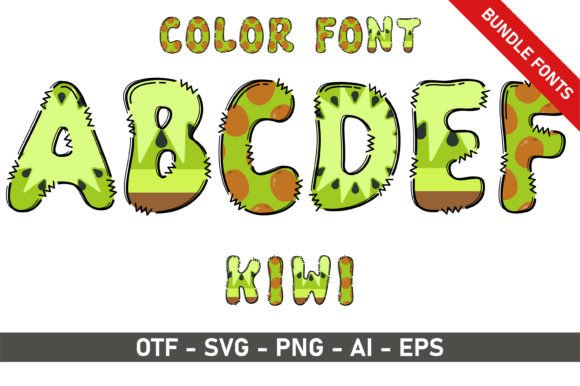
So, what exactly is the Kiwi Bundle? At its core, it’s a curated collection of fonts, often featuring a mix of script font, handwritten font, and complementary sans serif font styles. The defining visual characteristic is its playful, organic, and slightly imperfect charm. Think of the gentle wobble of hand-lettered text, the flowing connections of a casual script, and the clean support of a simple sans-serif. This combination creates a creative font package that feels approachable, artistic, and full of life. It’s the kind of modern typography that avoids cold precision in favor of a human touch, making it ideal for designs that need to feel friendly, authentic, and engaging.
Where the Kiwi Bundle Finds Its Home
The true test of any design asset is its versatility. A font collection like the Kiwi Bundle isn’t meant for every single project—like a formal legal document or a highly technical manual. Its strength lies in applications where personality and visual appeal are paramount. It’s a fantastic choice for brand identity work, especially for businesses that want to convey creativity, warmth, and approachability. Imagine a local bakery, a children’s boutique, a craft workshop, or a lifestyle blog using this font for their logo design and marketing materials. The font immediately communicates a brand that is hands-on, personal, and focused on delightful experiences.
Beyond logos, the bundle’s fonts are workhorses for packaging design. A product label for artisanal jams, hand-poured candles, or organic skincare can leverage the script and handwritten styles to emphasize the product’s handmade quality. In editorial design, these fonts add flair to magazine headlines, chapter titles, or pull quotes, breaking the monotony of standard body text and guiding the reader’s eye. For web design, a display font from the bundle can be used for hero section headings or call-to-action buttons, creating immediate visual interest and setting the site’s tone. It’s equally powerful in social media graphics, where a bold, personality-driven font can stop the scroll and make a post instantly shareable.
The Strategic Impact on Readability and Perception
Choosing a font is a strategic decision that influences how your audience perceives your message. The playful nature of a bundle like Kiwi can significantly boost audience engagement. A whimsical, easy-to-read style in a children’s book invitation or a poster makes the content more inviting and fun, especially for younger readers. For adults, it conveys creativity and a lack of corporate stiffness, which can be a powerful differentiator. However, this personality must be balanced with readability. A flowing script is perfect for a headline or a short phrase, but setting an entire paragraph in it would be a mistake. This is where the included sans serif font from the bundle becomes crucial, providing a clean, legible option for body text that complements the more decorative styles without causing visual fatigue.
This interplay is key to building a strong visual hierarchy. You can use the bold display or script font for main headings to grab attention, then use the simpler sans-serif for subheadings and body copy to deliver information clearly. This structure not only looks professional but also guides the reader’s journey through your content logically. Furthermore, consistent use of these fonts across all touchpoints—from your website to your business cards to your social media posts—builds brand recognition. When customers repeatedly see that same distinctive, friendly typeface, they begin to associate it with your brand’s values and personality, fostering trust and loyalty.
Making the Kiwi Bundle Work for You
Before integrating any new typeface into your workflow, a practical evaluation is necessary. Start by examining the full scope of the Kiwi Bundle. Look beyond the main display font. What weights and styles are included? Is there a bold version for emphasis? Are there alternates or ligatures that can add custom flair to your lettering? Understanding the full toolkit prevents you from being limited mid-project. Next, consider font pairing. While the bundle may include complementary fonts, test how its primary styles pair with other fonts you already use. A playful script might pair beautifully with a sturdy, geometric sans-serif you already have in your library, creating a balanced and dynamic composition.
Always test the font in the context of your specific project. Mock up a logo, a social media post, or a book cover. Check the legibility at the sizes you’ll actually use. A font that looks stunning at 72pt on a poster might lose its charm at 14pt in a product description. Finally, never overlook the licensing. A quality commercial font comes with a clear license that outlines permitted uses—whether for a single client, unlimited projects, or for creating end products for sale. Ensuring you have the proper license protects you legally and supports the type designers who create these valuable tools. When used thoughtfully, a resource like the Kiwi Bundle becomes more than just a set of letters; it becomes a foundational element of your creative voice, helping you craft designs that are not only seen but felt.