Unicornia Font: A Whimsical Typeface for Enchanting Designs
There are moments in a design project when you need typography that does more than just convey words. You need a typeface that sets a mood, tells a story, and instantly transports your audience to a different world. This is precisely where a creative font like Unicornia excels. It’s not a workhorse body font or a minimalist sans serif; it’s a specialized tool for injecting a specific, powerful feeling: pure, unadulterated whimsy. For designers, crafters, and brand builders, understanding how to wield such a tool is key to creating memorable and emotionally resonant work.
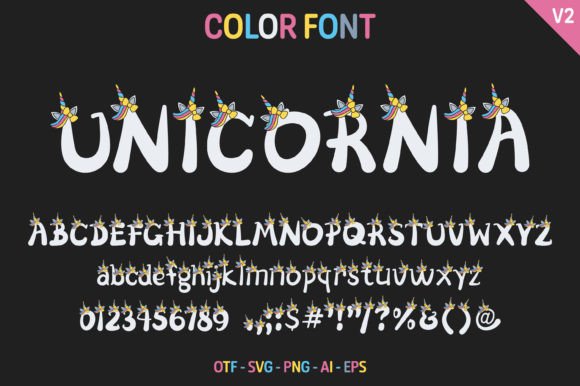
Unicornia is a playful and whimsical font that captures the magical essence of unicorns. Its letterforms are curvy and flowy, accented with cute and charming unicorn horn details on select characters. The rounded letters and fantastical aesthetic make it a standout display font. It’s the kind of typeface that doesn’t just sit on the page; it dances. This personality makes it a potent asset for projects targeting audiences that appreciate charm, fantasy, and a touch of childhood wonder, from children’s publishers to boutique shop owners.
Where Does This Whimsical Font Shine?
Thinking of Unicornia as just a "kids' font" would be a mistake. Its true power lies in its ability to inject a specific character into a wide array of projects. Consider its applications across different fields. In publishing, it’s a natural fit for children’s book titles and chapter headings, setting a fantastical tone before the story even begins. For entrepreneurs and small business owners, it can be a secret weapon in packaging design for artisanal goods, cosmetics, or baked goods, suggesting something handmade, special, and a little bit magical.
In the digital realm, its impact is just as significant. A web designer might use it for a hero banner on a site for a fantasy author, a themed event, or a specialty toy store. For social media graphics, Unicornia can make a post for a bakery's new unicorn-themed cupcake or a party planner's fantasy package instantly stand out in a crowded feed. It’s also perfect for logo design for brands that want to cultivate an identity of enchantment and creativity. Think of a children’s boutique, a fantasy-themed escape room, or a unique crafting supply shop.
Beyond Aesthetics: Shaping Perception and Hierarchy
Choosing a font is a strategic decision that influences how your message is received. Unicornia, as a premium font with a strong personality, directly impacts brand perception. Used appropriately, it signals that a brand is imaginative, friendly, and detail-oriented. It can make a small business feel approachable and full of character. However, this strength requires careful handling. Overusing a decorative display font like this can quickly overwhelm a design and harm readability.
The key is to use it for high-impact, low-volume text. Think headlines, logos, pull quotes, and short call-to-action phrases. For body copy, you’ll need a reliable partner. This is where font pairing becomes critical. Unicornia’s curvy, detailed forms pair beautifully with a clean, simple sans serif font or a gentle, readable serif font. The contrast allows the whimsical font to command attention without sacrificing the clarity and professionalism of your overall message. This pairing creates a clear visual hierarchy, guiding the reader’s eye exactly where you want it to go.
A Practical Guide to Using Unicornia Effectively
Before you dive in, a few practical considerations will ensure a smooth workflow and a professional result. First and foremost, understand the technical specifications. Unicornia is a color font (OpenType-SVG), meaning its enchanting details and colors are embedded within the font file itself. This is what gives it that rich, illustrative quality. It’s compatible with major professional design software like Adobe Photoshop, Illustrator, and Silhouette, as well as the free vector editor Inkscape.
It is crucial to note that the standard OTF and TTF files are not compatible with Cricut machines. If you are a crafter using a Cricut, you must check the product details for a specific compatible version or explore workarounds. Always test a font with your specific software and hardware before committing to a final design. For any designer, reviewing the full character set is a valuable step. See which letters have the special horn accents and how the numerals and punctuation are styled to ensure they fit your creative vision.
Finally, consider the licensing for your intended use. If you’re creating a logo for a client, a product for sale, or marketing materials, you will likely need a commercial font license. Ensure the license you purchase covers your specific project needs. By treating a creative asset like Unicornia with the same professionalism you’d apply to any other design asset, you protect your work and your client’s brand identity. When used thoughtfully, it can become a recognizable and beloved part of a brand’s visual language.