Orange Fruit: A Playful Display Font for Creative Projects
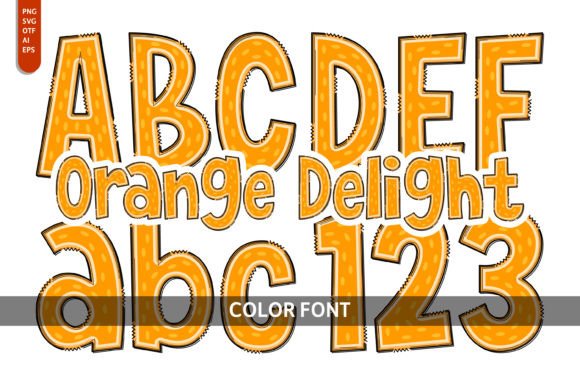
When a design calls for personality, the typeface you choose is your first and most powerful statement. It sets the tone before a single word is read. For projects that need to radiate warmth, creativity, and a touch of whimsy, the Orange Fruit font is a standout choice. This isn't a subtle, background player; it's a display font designed to capture attention and infuse a project with an immediate sense of fun and artistry. Its hand-lettered aesthetic, reminiscent of juice-stained fingers and summer sketches, makes it a versatile tool for creators aiming to connect on a more personal, human level.
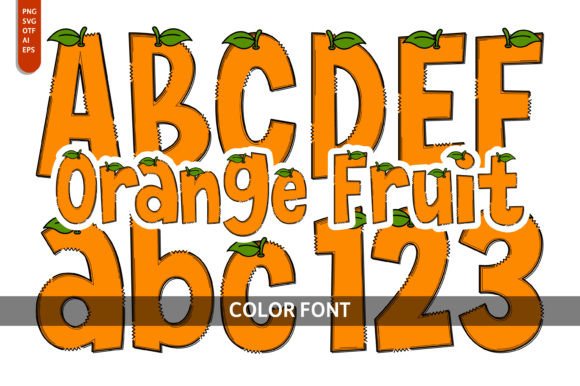
Visually, Orange Fruit presents a unique blend of characteristics. It has the foundational structure of a handwritten font, but with the clarity and consistency needed for professional applications. The letterforms are organic, with gentle curves and varying stroke weights that mimic the natural flow of a marker or brush pen. This gives it a distinct playful or artistic feel, avoiding the rigid geometry of a standard sans serif font or the formal elegance of a classic serif font. Its personality is approachable, energetic, and optimistic. It feels less like a digital file and more like a crafted piece of typography, which is a significant asset in a world saturated with sterile, generic design. This quality makes it a valuable piece in any designer's toolkit of design assets.
Where Orange Fruit Truly Shines
The real-world applications for a creative font like Orange Fruit are broad, but it excels in contexts where engagement and a friendly tone are paramount. In editorial design, it's perfect for chapter titles in children’s books, pull quotes in lifestyle magazines, or headlines on a blog that wants to feel more conversational. The font’s inherent readability at larger sizes ensures these key elements grab attention without sacrificing clarity.
For brand identity, Orange Fruit can be a secret weapon for businesses targeting families, creative services, food and beverage, or wellness. Imagine it on the logo for a local bakery, a children's play center, or an artisanal jam maker. It immediately communicates a brand that is authentic, handmade, and customer-focused. It works beautifully in packaging design for products on a shelf, where it can help a product stand out from its more corporate-looking competitors. The font's style suggests a story behind the brand, which is a powerful tool for building recognition and loyalty.
Marketing and digital content also benefit greatly. As a premium font, it elevates social media graphics, making Instagram posts and Pinterest pins more shareable. It can bring life to event posters, invitations, and greeting cards, turning a simple announcement into a piece of art. Even in web design, it can be used strategically for hero section callouts or banner text to break the monotony of standard web fonts and inject some personality into the user experience.
Practical Guidance for Using This Typeface
Choosing the right font is only half the battle; using it effectively is what separates good design from great. Here’s how to approach integrating Orange Fruit into your work.
- Evaluate the Project Fit: Start by asking if the project's goal aligns with the font's personality. Orange Fruit is ideal for evoking joy, creativity, and approachability. It would be a mismatch for a formal legal document or a luxury watch brand's minimalist brochure. Its strength is in its expressiveness, so use it where that expressiveness is an asset.
- Master the Font Pairing: A display font like Orange Fruit rarely works alone. Its best partner is a clean, highly legible body font. Pair it with a simple sans serif font like Lato, Open Sans, or Montserrat for body text. This creates a strong visual hierarchy, allowing Orange Fruit to headline while the sans serif ensures comfortable reading for longer passages. Avoid pairing it with another decorative or script font, which can create visual chaos.
- Consider Readability Carefully: While legible for a display typeface, Orange Fruit is not designed for body copy. Its charming details can become distracting and tiring to read in long paragraphs. Use it for headlines, subheads, logos, and short, impactful text blocks. Always test it at the intended size on both screen and print to ensure the character of the font doesn't hinder comprehension.
- Understand the Technical Specs: This is a crucial, practical point. Note! This product is a color font (Opentype-SVG) and is compatible with PhotoShop, Illustrator, Silhouette, and Inkscape. This means the font can contain multiple colors and gradients within a single glyph, offering a more vibrant result than a standard single-color font. However, the OTF and/or TTF files are not compatible with Cricut. Always check the technical requirements before purchasing to ensure it works with your software. For a deeper dive, consult the Ultimate Font Guide.
- Review Licensing and Styles: As a commercial font, ensure its license covers your intended use, whether for a client project, merchandise, or digital products. Also, explore all the included styles. Some premium fonts come with alternates, ligatures, or stylistic sets that can further customize your typography and make your work unique.
Incorporating a typeface like Orange Fruit is about more than just picking a pretty letter style. It's a strategic decision that influences audience engagement, shapes brand perception, and contributes to a cohesive and professional brand identity. By understanding its strengths and applying it with thoughtful consideration for context and pairing, you can leverage its playful charm to create designs that are not only beautiful but also deeply effective and memorable. It's a powerful example of how the right typeface can do much of the heavy lifting in storytelling and connection.