Purple: A Playful Display Font for Creative Projects
When you need a typeface that feels friendly, approachable, and full of character, Purple delivers. This neat and casual display font captures a sense of simplicity that’s surprisingly versatile. It’s the kind of font that doesn’t shout for attention but still manages to make your message feel warm and inviting. Whether you’re designing for kids, families, or brands that want to feel accessible, Purple offers a solution that’s both practical and visually appealing.
Understanding Purple’s Personality and Visual Style
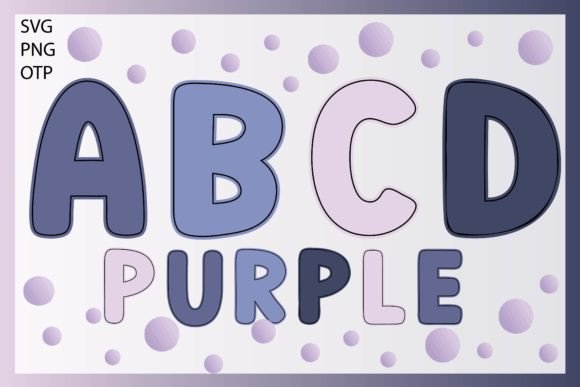
Purple is what designers often call a display font—a typeface designed primarily for headlines, titles, and other prominent text rather than long paragraphs. Its letterforms are clean and straightforward, with a casual flair that avoids feeling overly formal or rigid. The characters have a rounded, friendly quality that makes them feel approachable and easy to read at larger sizes. There’s a subtle playfulness in the way the letters are constructed, which gives it a distinct personality without sacrificing clarity.
What makes Purple stand out is its balance between simplicity and character. It doesn’t rely on excessive ornamentation or complex curves to make an impression. Instead, it uses clean lines, consistent proportions, and a slightly informal tone to create a typeface that feels both modern and timeless. This makes it an excellent choice for projects where you want to convey warmth and approachability without looking childish or unprofessional.
Where Purple Shines: Practical Applications
As a premium font designed for specific use cases, Purple finds its strength in projects aimed at younger audiences or those that benefit from a casual, friendly aesthetic. Think children’s activity books, school projects, educational materials, family-oriented branding, and playful social media graphics. Its simplicity ensures that even complex messages remain accessible, while its casual style keeps things light and engaging.
For brand identity work, Purple can be particularly effective for businesses that want to appear approachable and fun. Imagine a daycare center, a children’s clothing line, or a family-friendly restaurant using Purple in their logo design or marketing materials. The font helps establish an immediate emotional connection with parents and children alike, signaling that the brand is welcoming and easy to engage with.
In editorial design and packaging design, Purple works well for headlines, subheadings, and call-to-action text. It’s especially useful in contexts where you need to grab attention quickly—like on a book cover, a product label, or a promotional flyer—while maintaining a friendly tone. The font’s casual nature also makes it suitable for social media graphics, where you want to create posts that feel personal and relatable rather than corporate or stiff.
Working with Purple: Technical Considerations and Pairings
One important thing to note about Purple is that it’s a color font in the OpenType-SVG format. This means the font files contain embedded color information, allowing you to use the font in its full colorful glory. However, this also means compatibility is limited to certain design software. Purple works well in PhotoShop, Illustrator, Silhouette, and Inkscape, but it’s not compatible with Cricut machines. If you’re using other software, it’s worth checking the compatibility before purchasing.
When it comes to font pairing, Purple’s casual simplicity makes it a versatile partner. It pairs nicely with clean sans serif fonts for body text, creating a clear visual hierarchy where the display font handles attention-grabbing elements while the sans serif keeps longer passages readable. For a more playful combination, you might pair it with a script font or handwritten font that shares a similar friendly vibe. The key is to ensure that the fonts complement each other without competing for attention.
For web design and digital projects, consider how Purple’s color font capabilities might enhance your work. While not all browsers or platforms support color fonts equally, using Purple in graphics, images, or print materials ensures you get the full benefit of its design. In modern typography contexts, Purple can add a touch of personality to otherwise minimal layouts, breaking up visual monotony and drawing the eye to key messages.
Making the Most of Purple in Your Projects
Before committing to Purple for a project, take time to evaluate whether its style aligns with your goals. Its casual, playful nature is perfect for children’s content, family brands, and informal communications, but it might not be the best fit for corporate reports, luxury branding, or highly technical materials. Consider your audience and the message you want to convey—if warmth and approachability are priorities, Purple is worth exploring.
Testing font pairings is also crucial. Try combining Purple with different serif fonts, sans serif fonts, or even other display fonts to see what works best for your specific design. Pay attention to readability, especially at smaller sizes or in longer blocks of text. While Purple excels at headlines and titles, it’s not designed for extended reading, so pair it with a more legible typeface for body copy.
Finally, consider the practical aspects of using a commercial font. Ensure that your intended use aligns with the font’s licensing terms, especially if you’re using it for client work, products for sale, or large-scale distribution. Purple’s included styles and formats should give you flexibility, but it’s always wise to review the specifics before starting a project.
In the end, Purple is a creative font that brings a friendly, casual energy to design work. Its strength lies in its simplicity and versatility, making it a valuable addition to any designer’s toolkit—especially when the project calls for something approachable, playful, and visually engaging.